











The Currency That Rules the World — And What Its Power Means for Africa
The US dollar still anchors global trade and debt. Here’s how dollar dominance impacts African currencies, inflation, and investment strategy—and what may change next.
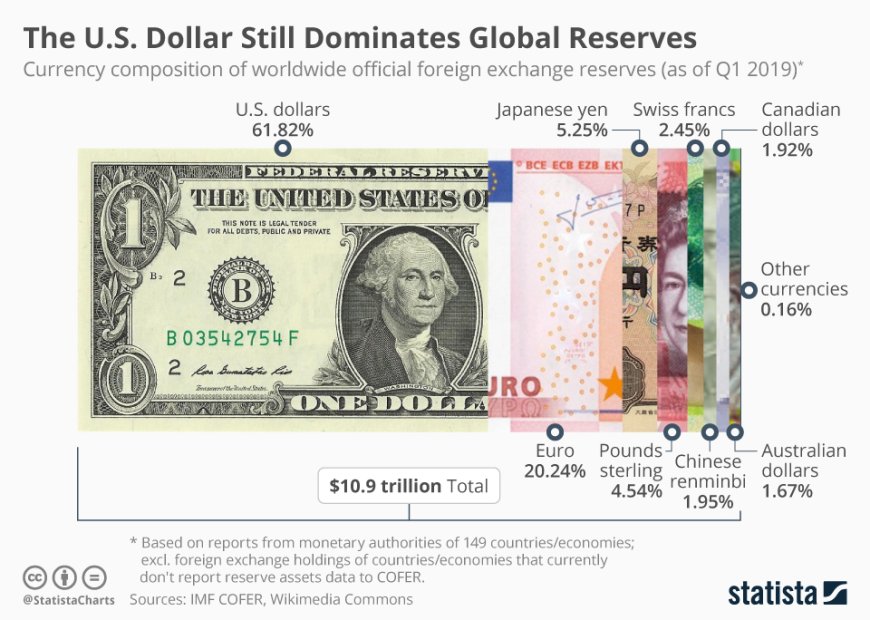
The Dollar's Influence on Africa.
For more than seven decades, one currency has quietly shaped the global economy. It prices oil, anchors trade, settles debt, and dictates how capital flows across borders. Its dominance is not symbolic, it is structural. And for Africa, the implications are both constraining and quietly transformative.
At the center of this system sits the US dollar, the world’s primary reserve and transaction currency. Over 80% of global trade finance, nearly 60% of central bank reserves, and the majority of cross-border debt are dollar-denominated. This concentration gives the United States extraordinary monetary reach, even beyond its borders.
When the Federal Reserve raises interest rates to tame domestic inflation, the ripple effects are felt immediately in Nairobi, Lagos, Accra, and Johannesburg. Capital retreats to “safe” dollar assets, local currencies weaken, and the cost of servicing foreign debt rises often without any policy mistake on the African side.
The Dollar Cycle and Africa’s Pressure Points
For African economies, dollar dominance creates a cycle that is hard to escape:
-
Stronger dollar → weaker local currencies
-
Weaker currencies → higher import costs (fuel, machinery, medicine)
-
Higher import bills → inflation and fiscal pressure
-
Dollar-denominated debt → more expensive repayments
This is why periods of aggressive tightening by the Federal Reserve tend to coincide with fiscal strain across emerging markets. The effect is not theoretical—it shows up in fuel prices, food inflation, and reduced development spending.
Yet this is only half the story.
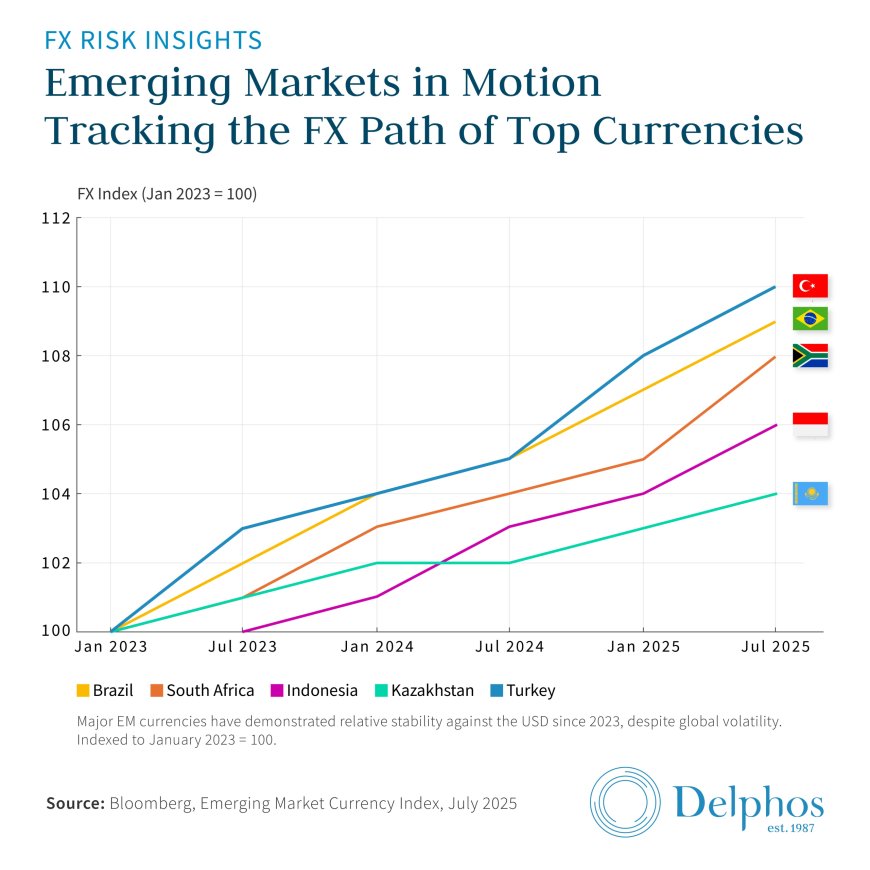
Quiet Shifts Beneath the Surface
Across the continent, policymakers and investors are beginning to respond—not with confrontation, but with recalibration.
Several African central banks are cautiously increasing local-currency trade settlement, especially in regional blocs. Pan-African payment infrastructure is reducing the need for constant dollar conversion in intra-African trade. Meanwhile, commodity exporters are exploring diversified invoicing, even as global markets remain dollar-centric.
Institutions like the International Monetary Fund acknowledge that while the dollar’s dominance remains unchallenged in the short term, the global system is slowly becoming more multipolar driven by geopolitical fragmentation, digital payments, and regional trade agreements.
What This Means for African Investors
For African investors and businesses, the lesson is strategic realism.
Dollar dominance is not about ideology, it is about risk management. Holding some exposure to dollar assets remains prudent. But over-reliance is increasingly costly. The smarter approach is currency balance: earning in hard currency where possible, borrowing responsibly, and building businesses that can price regionally, not just globally.
The next decade will not dethrone the dollar. But it may reduce its grip at the margins—and those margins matter.
In a world where currency power shapes opportunity, Africa’s challenge is not to fight the system, but to learn how to operate intelligently within it—until the system itself evolves.
What's Your Reaction?
 Like
1
Like
1
 Dislike
0
Dislike
0
 Love
1
Love
1
 Funny
0
Funny
0
 Angry
0
Angry
0
 Sad
0
Sad
0
 Wow
1
Wow
1